

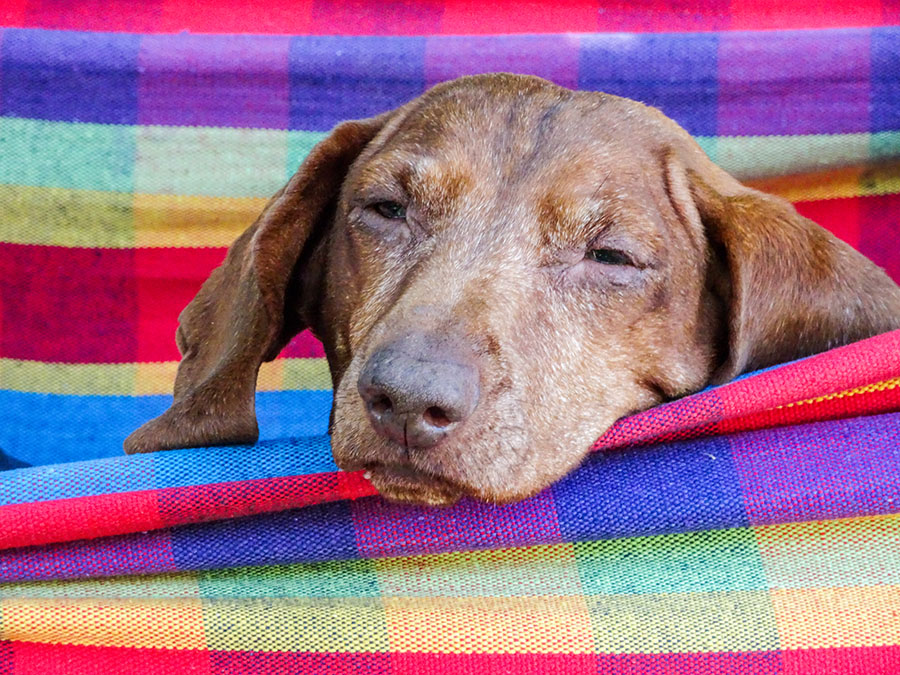
Floppy says: Good care means more comfortable days for sniffing and snoozing!
From Floppy’s owner: Good dachshund care combines routine veterinary care, appropriate food and activity, dental and coat care, and a home setup that suits a low, long-bodied dog. These steps support health, but they cannot prevent every disease. A dog becoming ill is not proof that the owner failed.
The most useful approach is to know your dog's normal habits, maintain a realistic care routine, and respond promptly when something changes.

Establish a veterinary care plan
At routine visits, discuss vaccinations, parasite prevention, dental care, body condition, and any screening appropriate to your dog's age and history. Recommendations depend on location, lifestyle, travel, and individual health. Keep records in one place so another caregiver can find them.
Ask when the next appointment or preventive treatment is due rather than assuming all products or vaccines follow the same schedule. Discuss spaying or neutering individually, including practical arrangements and any relevant health considerations.

This older illustration is not feeding advice: do not use raw bacon or fatty table scraps as a health treatment or a balanced meal.
Feed for the dog in front of you
Choose a complete and balanced food appropriate to life stage and medical needs. Measure portions and include treats in the overall intake. Use body condition and weight trends, with veterinary guidance, to adjust the plan.
Do not add calcium, vitamins, oils, or other supplements simply because dachshunds have short legs or a long back. More nutrients are not automatically better. If you want to feed a homemade diet, obtain a recipe from a qualified veterinary nutrition professional instead of improvising meat, vegetables, and supplements.
Make movement comfortable
Provide regular activity suited to age, fitness, and health. Comfortable walks, sniffing, and short training games offer variety without requiring intense exercise. Do not use weight gain as a reason to suddenly start strenuous activity.
Inspect walking routes for slippery surfaces and awkward jumps. Support both ends of the body when lifting, and teach visitors to handle the dog gently. Practical precautions reduce avoidable mishaps but do not guarantee prevention of inherited spinal disease.
Know the back-problem warning signs
A new reluctance to move or painful posture needs prompt veterinary advice. Sudden weakness, wobbling, trouble standing, or loss of walking ability needs urgent veterinary assessment. Stop activity and call the clinic rather than testing the dog's ability to climb stairs or jump.
Follow an individualized plan after a spinal diagnosis. General exercise advice is not a substitute for prescribed rest or rehabilitation instructions.
Keep grooming useful, not just cosmetic
Brush in a way suited to the coat type and inspect skin, paws, ears, and nails during calm handling. Longhaired dogs need particular attention to tangles; wirehaired coats may need specialist grooming. Bathing frequency depends on dirt, skin condition, and any prescribed treatment.
Persistent odor, itching, discharge, bald patches, or painful skin warrants assessment. Do not assume every skin problem is a food allergy, and do not begin a restrictive diet without a plan. A clean home helps with ordinary hygiene but cannot eliminate all allergies or infections.
Include teeth and oral comfort
Ask your veterinarian about a dental assessment and safe home care. Introduce brushing gradually with dog-appropriate products if advised. Notice changes in chewing, drooling, breath, or willingness to eat. Do not treat an odor-masking product as a solution to dental pain.
Prevent avoidable household accidents
Secure medications, toxic foods, trash, cords, and small objects your dog could swallow. Choose toys for the dog's size and chewing habits and inspect them regularly. If ingestion is suspected, call a veterinarian for advice rather than waiting for a particular smell or type of vomit.
Breathing difficulty, collapse, severe weakness, or a painful or swollen abdomen requires emergency veterinary assessment. Repeated vomiting also needs prompt veterinary advice, especially if the dog cannot keep water down or seems unwell. Do not induce vomiting unless specifically directed.
Care includes emotional well-being
Use reward-based training, comfortable rest, and gradual introductions to new situations. Plan for companionship and bathroom opportunities during your absences. A dog that panics when left alone needs help, not punishment or a claim that all dachshunds behave that way.
A short weekly review can catch practical gaps: check supplies, upcoming appointments, grooming needs, weight trends, and any changes in eating, drinking, toileting, or movement.