
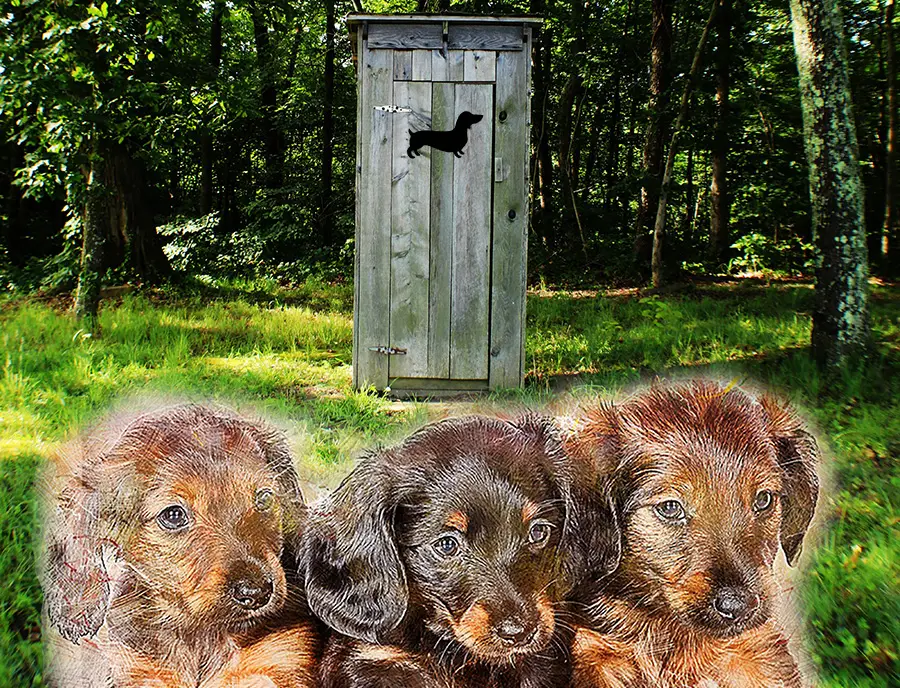
The fastest responsible way to potty train a dachshund puppy is to prevent avoidable accidents, offer frequent toilet opportunities, and reward success immediately. There is no dependable two-week deadline. Progress depends on the puppy’s development, health, history, and how consistently the household follows the routine.
Set up before the next accident

Choose a toilet location, keep rewards near the exit, and decide who will handle each break. Use a puppy-safe area when you cannot supervise. A crate can help some puppies if introduced positively and sized appropriately, but it is not a place to leave a puppy longer than it can comfortably cope.
Dogs can soil a crate, especially when frightened, ill, or left too long. An accident there is information to reassess the setup, not evidence that the puppy is hopeless.

Use events as your schedule
Offer a break after waking, meals, drinking, and active play, as well as before bed. Very young puppies may need additional frequent breaks and overnight outings. Watch for sniffing, circling, or suddenly wandering away.
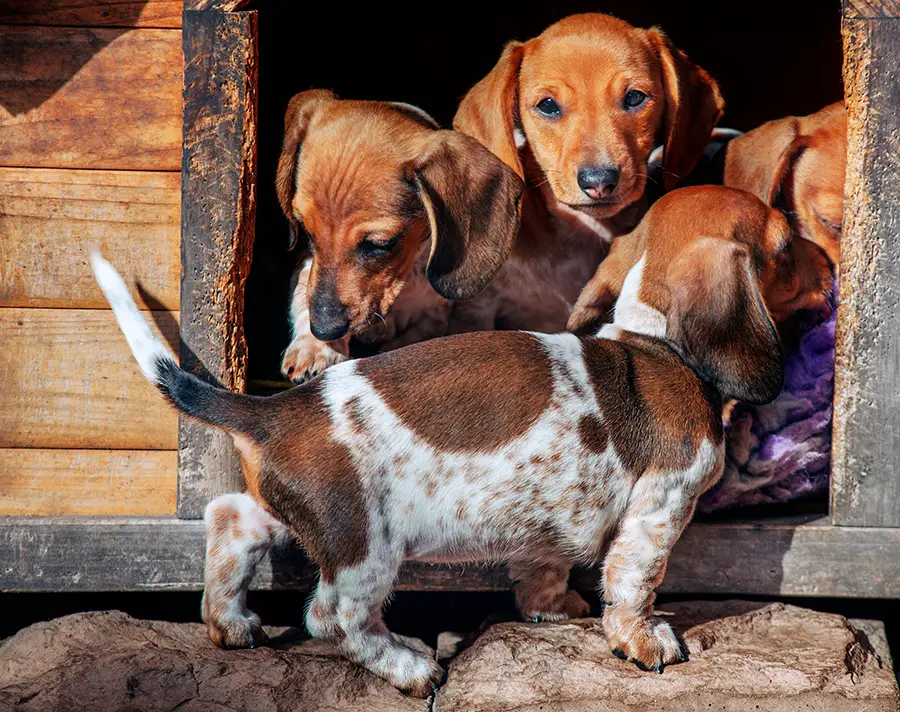
Take the puppy to the chosen spot calmly. When elimination happens, reward promptly while still there. If nothing happens, return indoors under close supervision and try again soon. Do not drag a reluctant puppy outside or leave it unattended in bad weather.
Keep a simple log
Record the time of meals, drinks, naps, successful breaks, and accidents. After a few days, patterns often become easier to see. If accidents repeatedly occur just before a planned outing, move the outing earlier. Share the log with everyone caring for the puppy.
The aim is to create more successful repetitions, not to test how long the puppy can hold on.

Handle accidents without punishment
Clean with an appropriate pet-odor cleaner according to its instructions. Do not rub the puppy’s nose in a mess, shout, or punish after the event. Those responses do not explain the desired toilet location and can make the puppy afraid to eliminate near you.
If you notice an accident beginning, calmly guide the puppy to the toilet area if you can do so without startling or rushing it. Reward finishing in the appropriate place.
Are potty pads always a mistake?
No. Indoor toilet areas can be useful for accessibility needs, apartment logistics, or a veterinarian’s disease-risk advice. They may add a transition step if the eventual goal is outdoor toileting. Choose a clear location and a consistent surface rather than scattering pads throughout the home.
Tethering to an attentive adult can aid supervision, but never leave a tethered puppy unattended or allow entanglement. A secure pen may be a better option in a busy household.
When to get help
Painful urination, repeated straining, blood, unusual thirst, diarrhea, or a sudden setback warrant veterinary advice. If the puppy cannot pass urine, seek emergency veterinary care immediately. Do not assume every accident is a training failure.
Expand household freedom gradually as your puppy becomes reliable. If setbacks appear, return to closer supervision and more opportunities rather than imposing a harsher schedule.
Related guides
- How to Keep Your Dachshund’s Coat Healthy
- First Training Skills for Your Dachshund Puppy
- 10 Humane Steps for Training Your Dachshund