
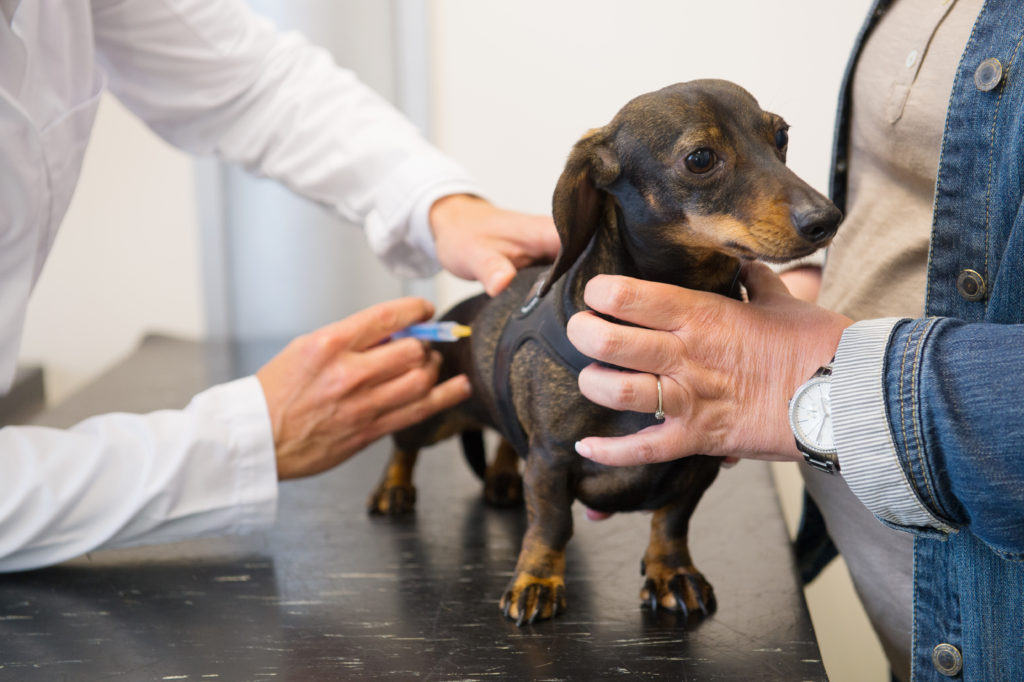
Floppy says: A sensible care routine leaves more time for the fun stuff!
From Floppy’s owner: You cannot prevent every disease in a dachshund, but you can reduce avoidable risks through an individualized veterinary care plan, appropriate nutrition, regular activity, and prompt attention to changes. Start with the basics you can maintain consistently rather than buying products advertised to protect the breed from every problem.
Preventive care should support a comfortable life, not turn ordinary activity into something to fear.

Keep a simple care calendar
Record veterinary appointments, vaccination recommendations, parasite prevention, dental follow-up, and any prescribed medication. Ask which dates apply to your dog and what to do if a dose or visit is missed.
AAHA vaccination guidance distinguishes recommendations according to factors including disease risk and individual circumstances. Your veterinarian can apply the relevant recommendations to your location, travel, and lifestyle. Do not assume a vaccine schedule copied from another dog is automatically suitable.

Make food choices on nutritional adequacy
Choose food appropriate to life stage and any medical needs. Ask about the nutritional adequacy statement, formulation expertise, quality control, and how much to feed. An attractive ingredient list or “natural” label alone does not establish that a diet is complete.
Raw diets can involve contamination, nutritional imbalance, and bone-related injury. Freezing or freeze-drying does not make every raw product risk-free. Do not improvise a homemade diet from meat, vegetables, bones, and supplements.
If home cooking is important to you, seek a properly formulated recipe and follow it consistently. A veterinary nutrition professional can help account for your dog's needs and any illness.
Monitor body condition without chasing a label
Track weight trends and ask your veterinarian to demonstrate body-condition assessment. Rib coverage, waist shape, and the overall examination are more useful than trying to fit every dachshund into a standard or miniature weight target.
Measure food, include treats, and adjust the plan with guidance. Avoid abrupt restriction or strenuous exercise as a quick fix. A dog can need more than a smaller portion of the same diet to lose weight safely while receiving adequate nutrients.
Keep activity regular and appropriate
Offer comfortable movement, sniffing, and simple games, with rest as needed. Build fitness gradually. Young, elderly, recovering, and medically affected dogs need different plans.
Back problems are an important consideration for dachshunds, but a harness or ramp does not eliminate inherited risk. Use practical measures to avoid falls and awkward handling, and follow veterinary advice if your dog has a spinal history. Do not start home rehabilitation from a general article.
Watch the small changes
Notice appetite, drinking, urination, stool, breathing, movement, sleep, and willingness to interact. Keep a short record if something changes. An early conversation can be more useful than waiting until a problem becomes severe.
Sudden severe weakness, inability to walk, breathing difficulty, collapse, or repeated attempts to urinate without success requires emergency veterinary assessment. For other concerns, ask the clinic how quickly the dog should be seen rather than diagnosing the cause yourself.
Include the often-overlooked basics
Keep medications, cleaners, toxic foods, and swallowable objects out of reach. Inspect toys for damage. Maintain a secure yard or leash plan, and keep identification information current. Provide dental and grooming care suited to the dog and seek help for painful handling.
Emotional welfare matters too. Use humane training, a predictable routine, and suitable care during absences. A dog that is frightened or distressed needs support, not punishment.
Questions for the next appointment
Ask: Is the current diet appropriate? Is body condition on target? Which vaccines and parasite preventives apply here? What dental care is needed? What exercise is suitable? Which changes should prompt an urgent call?
Write down the answers and assign the practical tasks. Consistent, individualized care is more useful than a promise that a particular product or routine will keep every disease away.