
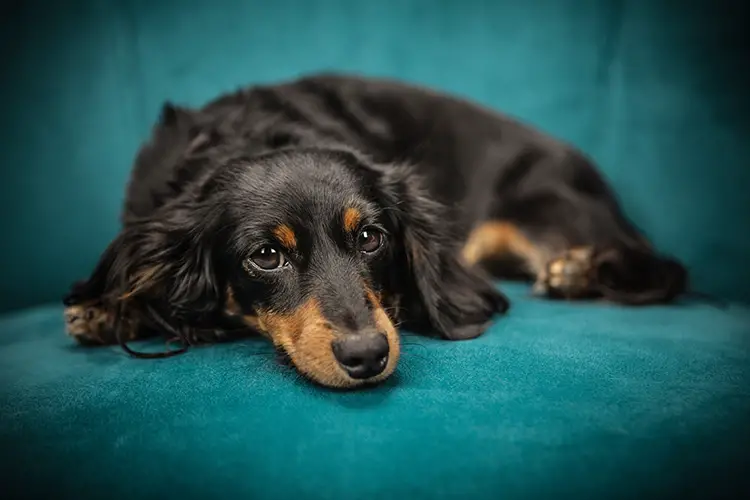
Floppy says: Woof! Smooth, longhaired, or wirehaired, we all bring our own look to the walk. My owner will explain what each coat means for the grooming brush.
The owner’s explanation
Dachshunds have three coat types: smooth, longhaired, and wirehaired. The main practical difference for an owner is grooming, not a guaranteed personality. All varieties need regular skin, nail, ear, and dental attention, and none should be promised as allergy-proof.
Smooth coats

The smooth coat is short and close-fitting. A gentle brush or grooming mitt can help remove loose hair, and a damp cloth may handle light surface dirt between baths. Short hair does not eliminate shedding or the need to check the skin.
A smooth-coated dog may appreciate a well-fitting coat in cold conditions. Decide by the individual dog and the weather, not by a rule that every short-haired dog always needs clothing.
Longhaired coats
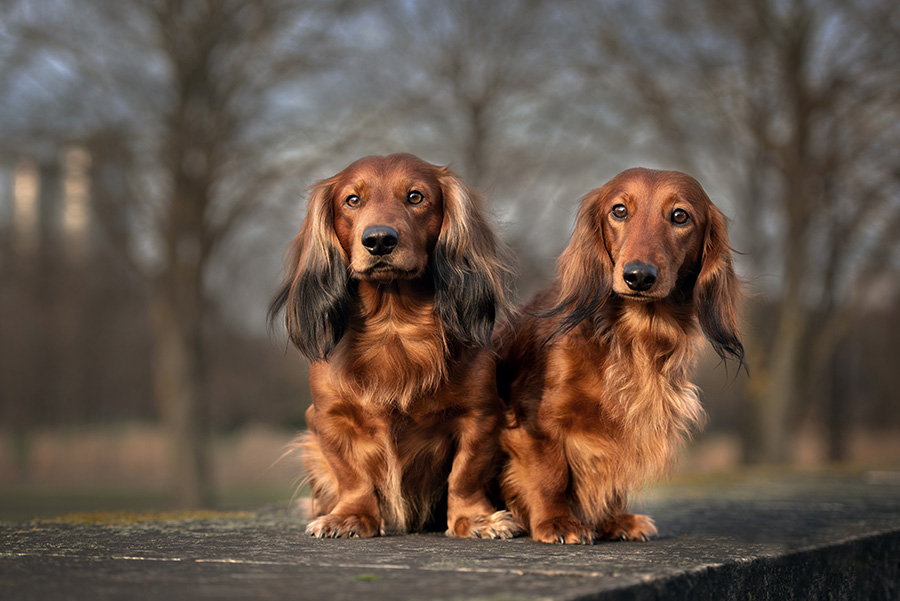
Longhaired dachshunds have longer hair around areas such as the ears, legs, underside, and tail. Pay particular attention to spots that rub against a harness or collect debris after a walk. Regular gentle brushing and combing help you find tangles before they tighten.
Do not pull hard at mats or try to cut a tight mat off with scissors. It can be difficult to tell where the skin is underneath. Ask a groomer or veterinary team for help; VCA’s coat-care guide discusses safe handling of tangles and coat maintenance. After bathing, dry the coat comfortably without directing hot air onto the dog’s skin.
Wirehaired coats
Wirehaired dachshunds have a coarser outer coat, a softer undercoat, and distinctive facial furnishings. They still need brushing and checks for debris. Hand-stripping or other grooming choices depend on the coat and whether the dog is maintained for showing or as a pet; have a qualified groomer assess it rather than following a universal calendar.
A wiry coat does not guarantee warmth in every winter condition or freedom from allergies in the household.
Colors and patterns are separate from coat type
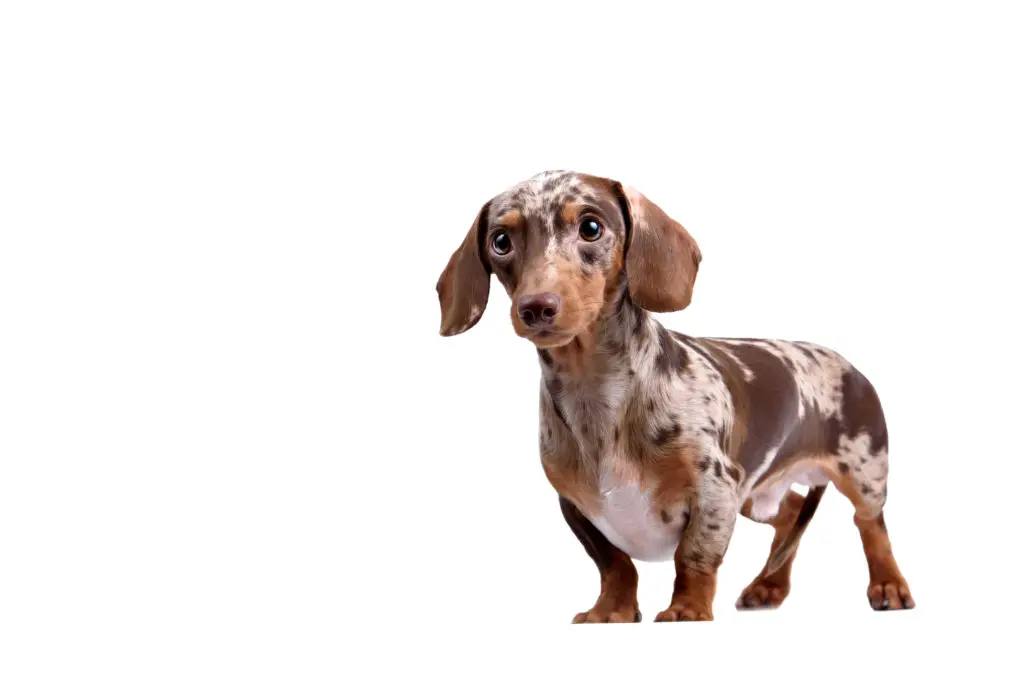

Color describes the underlying shade; pattern describes how colors appear across the coat. Dapple, brindle, and sable are examples of patterns, not additional coat types. If you are considering a dapple dog, ask about the parents, health testing, and the breeder’s decisions. This coat-care guide is not a breeding plan; discuss genetic questions with a veterinarian experienced in reproduction or genetics.
Avoid paying a premium solely for “rare” coloring without checking health testing and breeder practices. Different registries have their own standards; a pet’s color does not establish its health or temperament.
A practical grooming check
- Look for tangles behind the ears, under the body, and near harness straps.
- Check paws and nails; ask for a trimming demonstration if you are unsure.
- Notice redness, discharge, odor, itching, or new hair loss.
- Use dog-appropriate bathing products and follow their directions.
- Ask your veterinarian about ear cleaning and dental care suited to your dog.
Do not insert cotton swabs or fingers deep into the ear canal. Pain, odor, or discharge calls for assessment rather than repeated cleaning with an arbitrary product.
Choose the coat you can maintain
If you prefer a simpler brushing routine, a smooth coat may be appealing. If you enjoy regular grooming, a longhaired or wirehaired dog may fit well. Meet individual dogs and discuss maintenance with a groomer before deciding. Coat type is a useful care consideration, but it is not a reliable shortcut to choosing the calmest or friendliest companion.