

Floppy says: Woof! A nap can be lovely, but a sudden change deserves attention. My owner will explain the difference between enjoying rest and needing help.
The owner’s explanation
Dachshunds are not automatically lazy because they enjoy naps or blankets. A healthy dog can be both an enthusiastic explorer and a devoted lounger. What matters is whether your dachshund still shows interest in normal activities and whether the amount of rest has changed.
A sudden drop in energy, reluctance to walk, or resistance to being picked up should not be dismissed as stubbornness. Pain and illness can change behavior.

Resting is different from struggling
Compare your dog with their own usual behavior. Do they get up comfortably for meals, sniffing walks, and favorite games? Or do they seem unable to settle, tire unusually quickly, or avoid movements they previously managed?
Keep notes about appetite, drinking, toileting, walking, and sleep. Contact your veterinarian about a persistent or unexplained change. Severe weakness, collapse, trouble breathing, or sudden inability to walk requires urgent help.
Offer activities that fit the dog
A routine can include comfortable walks, time to sniff, short training sessions, and simple food-search games. Adapt activity to age, fitness, weather, and medical history. A puppy, a healthy adult, and a dog recovering from a back problem do not need the same plan.
If your dachshund seems bored, try changing the type of activity before simply making it longer. Searching for a few pieces of the day’s food in a safe, easy location may be more engaging than another repetitive game. Allow breaks and stop if your dog shows discomfort.
Protect against falls without promising to prevent IVDD
ACVS describes dachshunds as a breed commonly affected by disc rupture, but the condition cannot be reduced to “stairs cause it” or “a harness prevents it.” Discuss suitable activity with your veterinarian, especially after a diagnosis or injury. Secure footing and controlled access to high furniture can reduce opportunities for falls.
If you need to lift your dog, support the chest and rear together, keep the body steady, and lower them gently. Do not allow a jump from your arms. A dog who cries or resists handling may be painful; ask for veterinary guidance rather than repeatedly testing the movement.
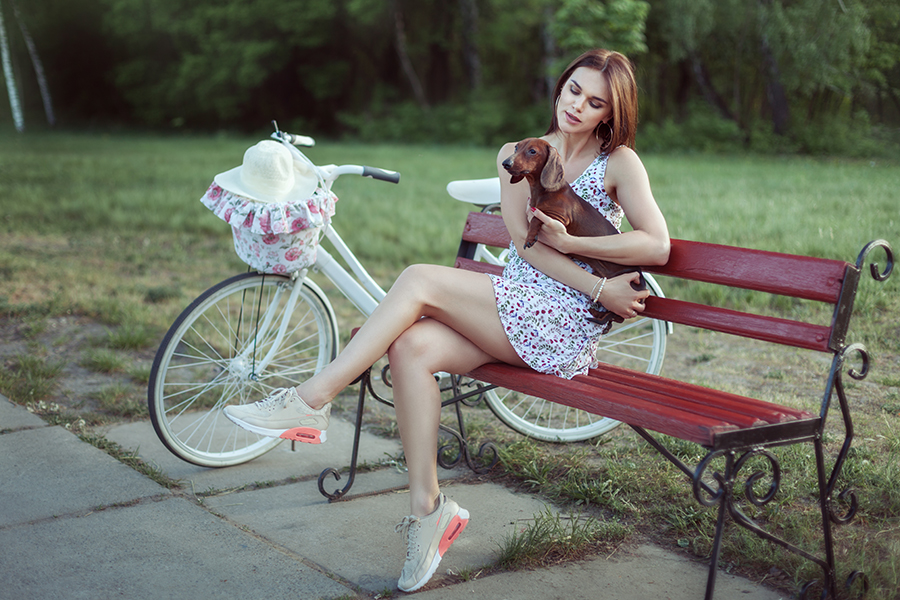
Does sex predict energy or affection?
Choosing a male or female dachshund does not guarantee a particular temperament. Meet the individual dog, ask about their daily habits, and consider whether your household can meet those needs. Claims that early neutering always prevents leg lifting or that females are inherently moody are not a sound basis for choosing a pet.
A useful next step
Plan a day with predictable rest, bathroom breaks, gentle activity, and social contact. If your dog remains comfortable and engaged, a love of naps may simply be part of their routine. If the change is new or your dog seems unwilling rather than merely unenthusiastic, arrange an examination before adding harder exercise.
Related reading and original listings
- Dachshund Leg Problems: Limping, Kneecaps, and Warning Signs
- Do Dachshunds Bond With Only One Person?