

Floppy says: A long dog can inspire a very long list of stories. My owner will separate useful breed facts from the tall tales.
The owner’s explanation
Dachshunds are small hounds with a distinctive shape and a working-dog background. These 21 facts separate useful breed information from the exaggerated promises and stories that often follow the breed. Appearance can help you recognize a dachshund; it cannot tell you everything about an individual dog’s health or personality.
History and identity

1. The breed developed in Germany. Its history is closely associated with hunting below ground, rather than simply being a decorative lapdog.
2. “Dachshund” means “badger dog.” The name reflects that working history.
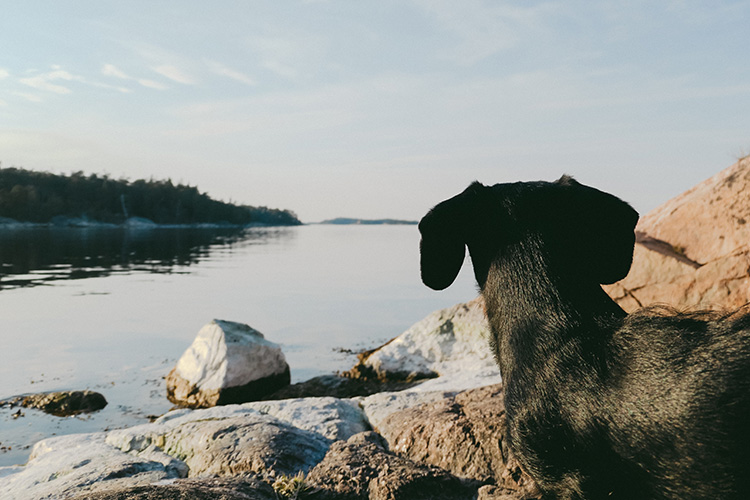
3. Dachshunds belong to the American Kennel Club’s Hound Group. Their small stature does not change that classification.
4. “Doxie,” “wiener dog,” and “sausage dog” are nicknames, not separate breeds.
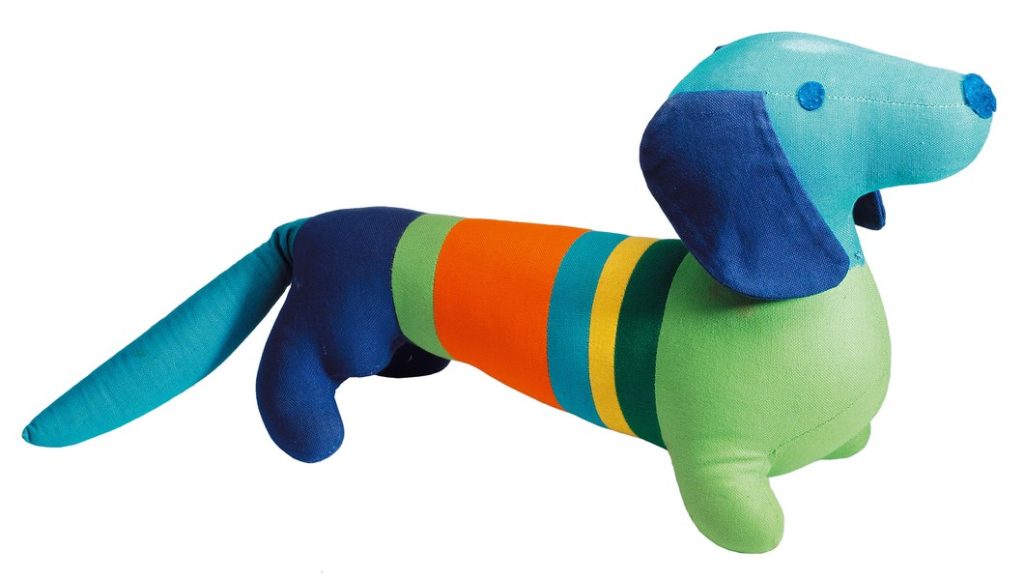
5. Waldi, the dachshund mascot of Munich 1972, was the first official Olympic mascot. This is a documented historical distinction, unlike many unsourced quotations attributed to famous dachshund admirers.
Size, coat, and appearance

6. The AKC describes two sizes: standard and miniature. Other countries may classify sizes differently.
7. Standard dachshunds usually weigh 16–32 pounds. That range is breed information, not a target weight for every dog.
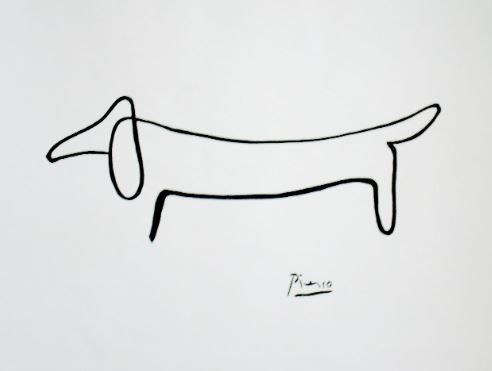
8. The AKC miniature show class is for dogs 11 pounds or less at 12 months of age or older. Do not underfeed a larger-framed dog to make it fit a label.
9. “Tweenie” is an informal description, not an additional AKC size category.

10. The three coat types are smooth, longhaired, and wirehaired. Each has different grooming demands.
11. Coat type and coat pattern are different things. Dapple and brindle describe patterning, not another coat texture.
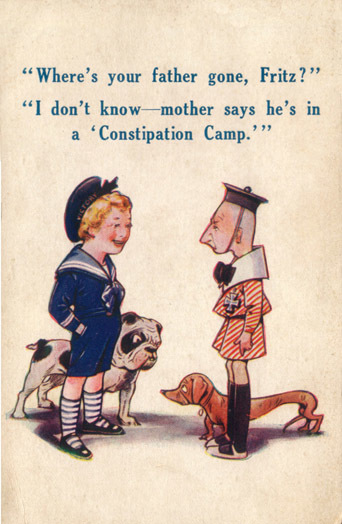
This older illustration contains offensive wartime wording. It is not an endorsed message or a factual statement about dogs or their owners.
12. No coat type guarantees an allergy-free pet. If pet allergies are a concern, discuss them with an allergist before bringing a dog home; a brief meeting does not establish that ongoing exposure will be safe.
Behavior and home life
13. Many dachshunds enjoy sniffing and searching. Simple food-finding games can make that interest part of everyday enrichment.
14. A dachshund can be small and still have a noticeable bark. Apartment suitability depends partly on noise management and the individual dog.
15. Adult dogs can learn new skills. Choosing a puppy is not the only route to a trainable companion.
16. Two dachshunds are not automatically easier than one. Each still needs individual care and training.
17. Living with children or cats requires a thoughtful setup. Familiarity does not remove the need for supervision or safe resting spaces.
Health and responsible ownership
18. VCA lists a typical lifespan of 12–16 years. This is not a promise about an individual dog.
19. Dachshunds are predisposed to intervertebral disc disease. Sudden weakness, wobbliness, inability to walk, or severe back pain needs urgent veterinary care. Restrict unnecessary movement and call the clinic for transport advice. See American College of Veterinary Surgeons: intervertebral disc disease.
20. There is no home routine that guarantees prevention of disc disease. Body condition, sensible handling, and an appropriate activity plan matter, but genetics and individual medical factors remain relevant.
21. Healthy weight is an individual assessment, not a contest to be the smallest dachshund. Ask your veterinarian to help evaluate body condition and an appropriate feeding plan.
What these facts mean when choosing a dog
Ask about the dog’s actual habits, health records, grooming needs, and behavior in a home. Skip promises of guaranteed temperament, unusually long life, or hundreds of supposedly interchangeable “flavors.” A clear account of the individual dog is more useful than a colorful breed myth.
Related guides
- A Guide To Coat Varieties In Dachshund
- Are Dachshunds Lazy?
- The Most Important Thing To Know About A Dachshund's Health
Sources and further guidance
- AKC: Official Standard of the Dachshund
- Dachshund Club of America: breed history
- German Patent and Trade Mark Office: Munich 1972 and Waldi
- VCA Animal Hospitals: dachshund breed overview
- ACAAI: pet allergies
- American College of Veterinary Surgeons: intervertebral disc disease
- AVSAB: humane, reward-based dog training
- CDC: safe interactions with dogs and bite prevention