

Floppy says: New rooms come with a whole new collection of smells. My owner will explain how to make the move manageable.
The owner’s explanation
Most dachshunds can adjust to a new home, but the pace varies. Provide a quiet base, predictable care, gentle introductions, and time to explore without pressure. Do not use a fixed number of days as a deadline for bonding or assume every unsettled behavior is harmless stress.
A puppy, an adult changing homes, and a dog with a difficult history may need different support. Start with what is known about the individual dog.

Prepare before arrival
Set up a comfortable resting area, water, secure storage for hazards, and a manageable route to the toilet area. Decide which rooms are available initially and check gates and exterior doors. Too much unrestricted access can make supervision harder.
Ask the previous caregiver about food, medication, toileting, sleep, handling, and known triggers. Keep records and contact details together. If something is uncertain, note the uncertainty rather than filling the gap with assumptions.
Keep the first introductions simple
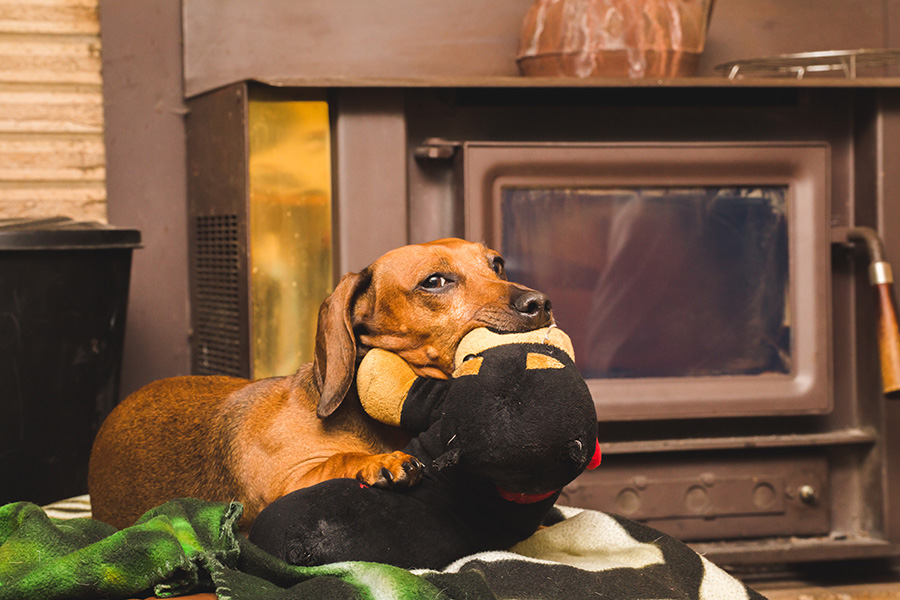
Let your dog investigate a small safe area and choose whether to approach. Limit visitors and avoid a welcome party. A dog that is quiet may be tired, cautious, or overwhelmed; quiet behavior is not proof that the transition is complete.
Offer contact gently and pause so the dog can move away. Do not pull a hiding dog out for a cuddle unless there is an immediate safety need. Make sure the resting area is a place where children and other pets will not disturb the dog.
Establish a workable routine
Keep meals, bathroom opportunities, rest, and suitable outings reasonably predictable. The routine should resemble the life you can maintain, not an unusually intense first week that disappears when work resumes.
Introduce alone time gradually once the dog is comfortable enough for it. Arrange help for unavoidable absences rather than testing a newly arrived dog with a long separation. Use a camera if useful and safe.
Keep food changes deliberate
When appropriate, continue the familiar food initially and ask your veterinarian how to transition if a change is needed. Avoid offering many rich foods to tempt a worried dog; that can complicate digestive problems and make the usual intake harder to judge.
Stress can affect appetite or stool, but it should not become an automatic explanation for illness. A dog accepting a favorite treat does not rule out a medical problem.
Do not wait too long on appetite or illness concerns
Contact your veterinarian promptly if a new dog is not eating normally, especially a young puppy or a dog with a medical condition. Ask how quickly the dog needs to be seen. Do not assume a healthy dog will never let itself go hungry or wait several days simply because a move was stressful. See Cornell University: recognizing pain in dogs.
Vomiting, repeated diarrhea, blood, marked lethargy, pain, or difficulty drinking calls for more urgent advice. Keep track of what was actually eaten and drunk and any medication given.
Introduce people and animals gradually
Use distance, barriers, and calm settings as needed. Give resident pets separate food, water, and resting places. Do not force close greetings or leave animals together unsupervised until their interactions have been assessed carefully.
Teach visitors to let the dog choose contact. A dog that tolerates petting without moving is not necessarily enjoying it; watch for tension and attempts to disengage.
Expect behavior to change as the dog settles
A dog may become more playful, vocal, or exploratory once the surroundings feel familiar. That is a reason to keep teaching routines, not to accuse the dog of revealing a bad personality. Reward behavior you want and manage access to predictable trouble spots.
If fear, guarding, or distress makes daily life difficult, seek veterinary and qualified reward-based behavior support early.
Signs the plan is helping
Look for easier rest, more comfortable exploration, normal eating and toileting, and voluntary interaction. Progress may be uneven. Keep notes about what makes the dog comfortable and what creates pressure.
The aim is not instant affection. It is a home in which your dachshund can feel safe, meet basic needs, and gradually learn what to expect.
Related guides
- Can Dachshunds Make Good Family Pets?
- How To Potty Train Your Dachshund Puppy Fast
- Common Reasons Behind Your Adult Dog Peeing In The House