
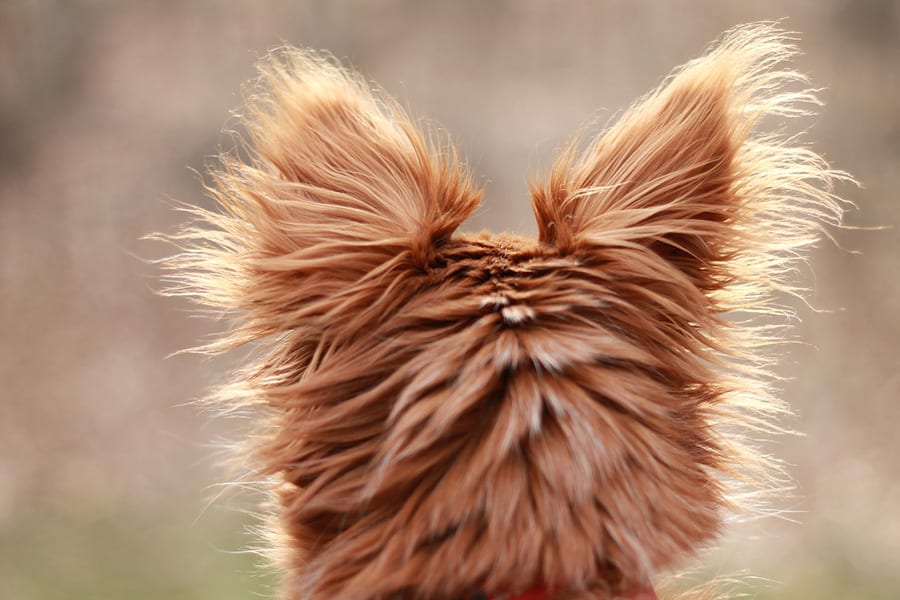
Floppy says: A catchy mix name cannot tell a whole dog’s story. My owner will explain which questions matter more than the nickname.
The owner’s explanation
A dachshund mix may inherit traits from either side of its ancestry, but a mix name does not guarantee size, coat, temperament, or health. Use names such as Chiweenie or Doxiepoo as a starting point for questions, not as a reliable description of the dog you will bring home.
Informal mix names you may encounter

Doxle usually refers to a dachshund–Beagle mix. Ask about the individual dog’s interest in scent, vocal behavior, exercise routine, and ability to settle instead of assuming all Doxles are especially playful or share one color pattern.
Dorgi commonly refers to a dachshund–Corgi mix. Clarify the actual parentage when known. A short-legged appearance does not tell you how much the adult will weigh or what activity is medically appropriate.

A dachshund–Basset Hound mix may be described with different informal names. Ask for the known ancestry and health history rather than relying on the label.
Doxiepin is commonly used for a dachshund–Miniature Pinscher mix. The name does not establish that every dog will have a black-and-tan coat or a particular build.
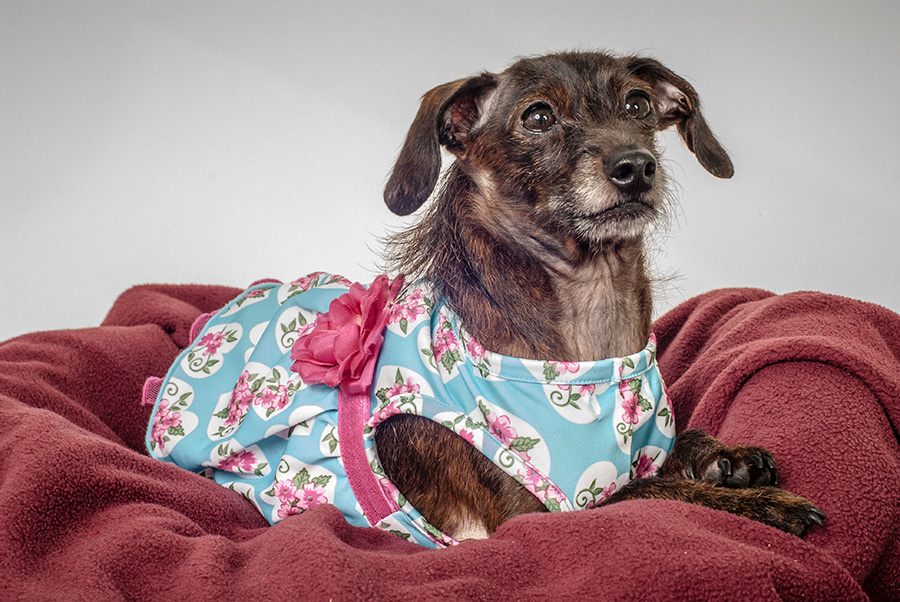
Papshund refers to a dachshund–Papillon mix. Coat length, grooming needs, confidence, and friendliness can vary; one parent’s reputation does not cancel out another’s traits.
Goldenshund is an informal name for a dachshund–Golden Retriever mix. Be especially cautious about promises of a Golden Retriever personality in a miniature body. Adult proportions and care needs cannot be chosen like separate product options.
Doxbull is used for a dachshund mix with a dog described as a pit bull. Because “pit bull” can refer to different breeds or mixes, ask what is actually known about the parents. Evaluate behavior and local practical requirements individually.
Dameranian usually means dachshund–Pomeranian. It is not a guarantee of easy training, a particular coat color, or low grooming needs.
Doxiepoo refers to a dachshund–Poodle mix. Poodle ancestry does not guarantee a non-shedding or allergy-safe coat. Ask about the individual dog’s grooming requirements. If allergies are a concern, consult an allergist before bringing a dog home; a short meeting cannot establish that ongoing exposure will be safe.
Chiweenie commonly means dachshund–Chihuahua. Small size does not eliminate the need for training, careful handling, and supervision around children.
What can you realistically predict?
Known parent sizes and histories provide clues, but mixed offspring do not always fall neatly between them. Littermates can differ. With an adult rescue dog, observed weight, coat, and home behavior may provide more useful information than a speculative ancestry label.
A DNA ancestry test may offer information about breed background, but it does not replace a veterinary examination or establish future behavior.
Questions for a rescue or breeder
- What is known, rather than guessed, about parentage?
- What health records and relevant testing are available?
- How does the dog behave around visitors, dogs, and smaller animals?
- What grooming and exercise routine is it used to?
- Are there signs of pain, mobility problems, or handling sensitivity?
- What support or return arrangement is available if the match fails?
Choose based on the dog you can meet and the care you can provide. No mix is automatically healthier, friendlier, or easier than every purebred dog, and no appealing nickname removes the need for a careful decision. See UC Davis: inherited disorders in mixed and purebred dogs.
Related guides
- A Guide To Coat Varieties In Dachshund
- Can Dachshunds Make Good Family Pets?
- The Most Important Thing To Know About A Dachshund's Health