

Floppy says: Woof! A small dog still needs a big care plan. My owner will help you think through whether a dachshund fits your family.
The owner’s explanation
Dachshunds can be good family dogs when the household can provide patient training, daily care, appropriate activity, and safe interactions. They are not automatically suitable for every family because they are small, and they are not automatically aggressive because of their breed. The individual dog's history and behavior matter.
Before adopting, think about noise, time alone, children, other pets, and who will handle everyday care. A realistic plan is more useful than a promise that a dachshund will be an easy companion.

What many families enjoy
A dachshund can be an engaging partner for walks, scent games, training, and relaxed time together. Their manageable size can make some aspects of care convenient, but small size does not remove the need for exercise, veterinary care, or respectful handling.
Ask the breeder, rescue, or foster caregiver for examples of the dog's behavior. “Good with children” is more informative when you know the children's ages, the setting, and how closely interactions were supervised.
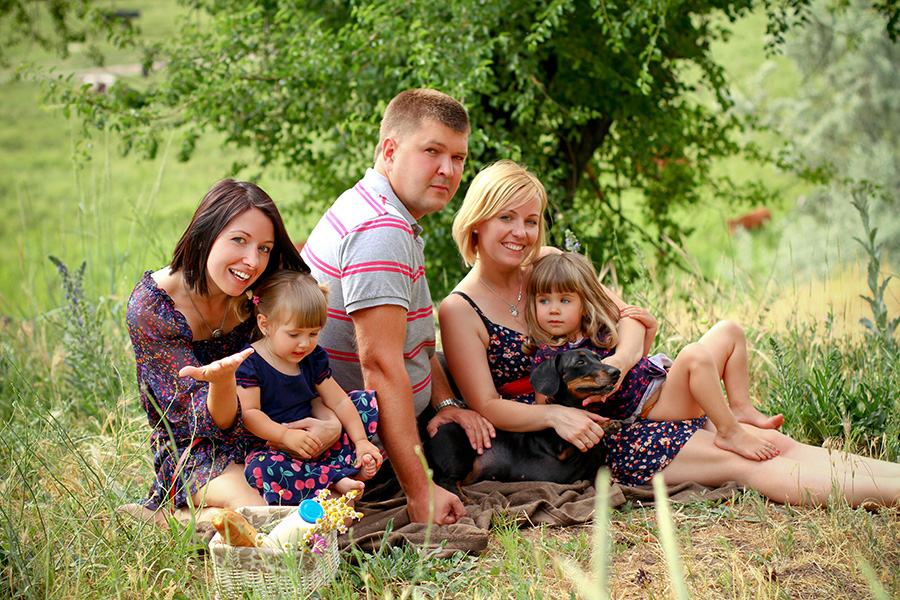
Children and dogs need active supervision
AVMA advises never leaving a baby or small child alone with a dog, even one the family trusts. An adult should be close enough to notice discomfort and intervene before rough handling or conflict occurs. If that is not possible, use a secure barrier and separate comfortable spaces.
Teach children to leave the dog alone while eating, sleeping, or using a resting area. They should not hug tightly, climb on the dog, pull ears, chase, or pick the dog up. Games at floor level are often easier to manage than carrying or wrestling.
A dog that moves away, freezes, turns the head, growls, or avoids contact needs space. Do not punish warning behavior or insist that the dog tolerate a child. Get professional guidance if interactions feel unsafe.

Barking and busy households
Some dachshunds are quick to alert to visitors, hallway sounds, or activity outside a window. Discuss how that would affect babies' naps, remote work, and neighbors. Plan a calm place away from constant triggers and teach useful alternatives with rewards.
A loud bark is not a security system. Do not select a dog on the assumption that it will stop an intruder, and do not encourage threatening behavior toward visitors.
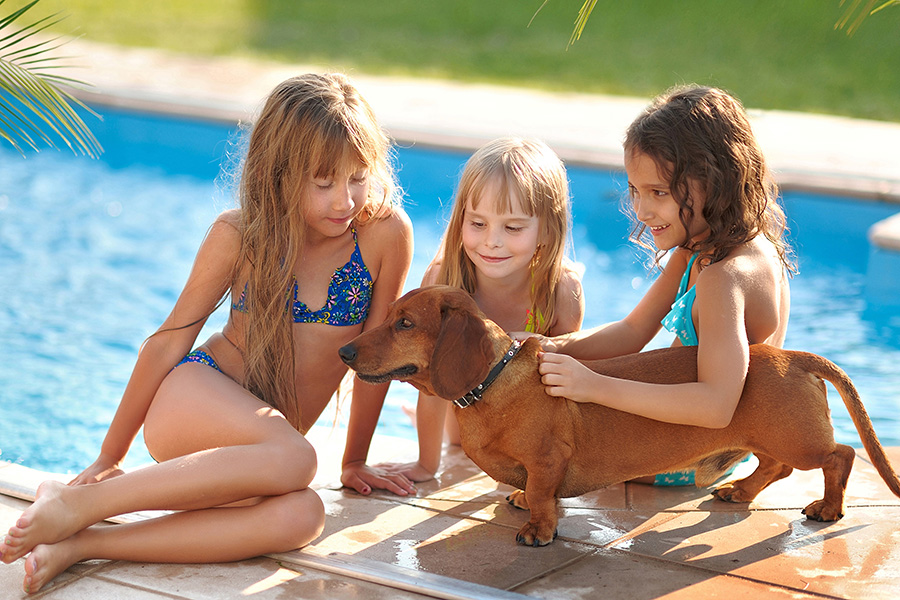
Training is a household job
Agree on the same cues, toilet routine, food rules, and sleeping arrangements. Keep training short and reward behaviors you want repeated. Avoid physical punishment and “showing who is boss.” Those approaches do not explain the desired behavior and can make handling more difficult.
Make one adult responsible for checking that essential care happens. A child can help with age-appropriate tasks, but a pet's welfare should not depend on a child's consistency.
Other animals and time alone
A dachshund's interest in chasing needs to be taken seriously around small pets. Use secure separation rather than assuming familiarity will remove prey drive. Introduce compatible dogs gradually and provide separate feeding and resting areas.
Ask how the dog copes when alone. A full workday may require a visitor, walker, or sitter, and a newly adopted dog needs an adjustment plan. Getting a second dog is not a dependable solution to separation distress.
Family readiness checklist
- An adult can supervise child–dog interactions and provide separation when needed.
- Everyone understands gentle handling and the need to support the dog's body.
- There is a plan for bathroom breaks, walks, and company during long days.
- The household can manage barking without punishment.
- Veterinary care, grooming, and backup care fit the budget.
- The individual dog appears comfortable with the family's activity level.
If several points are uncertain, resolve them before bringing a dog home. An adult dog with a well-described foster history may be easier to match than a puppy whose adult behavior is still developing. The aim is a good fit for both the family and the dog.