
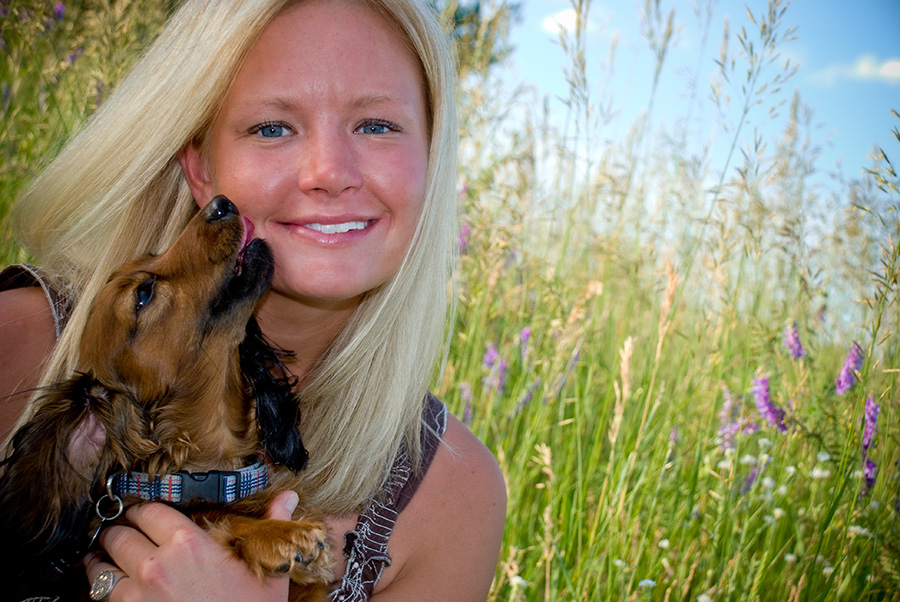
Floppy says: A little room to sniff and a friendly welcome sound good to me!
From Floppy’s owner: “Cold-natured” can mean sensitive to chilly weather or emotionally aloof. Dachshunds vary in both respects. Some seek warmth quickly, while some are cautious with unfamiliar people despite being affectionate at home. Neither trait means every dachshund has the same needs or temperament.
If your question is about weather, use your dog’s comfort and health to guide outings. If it is about affection, look at voluntary interaction rather than expecting every dog to enjoy cuddling.

Affection does not always look like a cuddle
A dachshund may choose to rest nearby, follow familiar routines, or play with you without wanting to be hugged or carried. Let the dog approach and leave. A reserved dog is not necessarily unhappy or disloyal.
Sudden withdrawal is different from a lifelong preference. If a usually social dog becomes reluctant to move, avoids handling, or behaves unusually, contact your veterinarian. Discomfort can affect how much contact a dog wants.
Hunting history is not a personality guarantee
The breed has a history of scent-driven work, and many dachshunds enjoy sniffing and investigating. That history does not make every individual aggressive, stubborn, or incapable of learning. Do not use coat type alone to predict whether an individual dog will be outgoing or easygoing.
Use short, clear training sessions and rewards that matter to the individual. A missed cue may reflect distraction or an incomplete skill rather than an argument over who is in charge.
Help a cautious dog feel safe
- Keep greetings optional and give visitors simple instructions.
- Provide a resting area where the dog will not be approached.
- Introduce new situations gradually, at a comfortable distance.
- Allow sniffing and breaks instead of insisting on continuous interaction.
- Reward calm participation without using food to pull the dog into an overwhelming situation.
Children need active supervision. Teach them not to grab, chase, corner, or disturb the dog. Another dog is not automatically a better companion because it is a dachshund; size and play style still matter.

Alone time and everyday activity
Build a routine with bathroom access, appropriate exercise, enrichment, rest, and social contact. A fenced yard does not replace walks or time with people. Keep the dog secure outdoors, especially where following a scent could lead toward traffic or wildlife.
Destruction or indoor accidents are not proof of revenge. If absence produces persistent distress, get professional guidance rather than treating the behavior as a personality flaw.
What if your dog gets physically cold?
Offer a warm, dry indoor resting place. For necessary outings, consider a properly fitted coat if your dog tolerates it, and return inside if they show discomfort. Wet clothing should not remain on the dog. Move a shivering dog to a warm, dry place. Persistent shivering needs veterinary advice, and weakness, collapse, or suspected hypothermia requires urgent veterinary care.
Choose care based on the dog in front of you. A useful temperament assessment asks what helps that dog feel comfortable, not whether they match a list of breed stereotypes.