

Floppy says: Small paws, big personality, and a family decision worth taking slowly. My owner will explain what a good match looks like.
The owner’s explanation
Dachshunds can be affectionate, entertaining companions, but they are not automatically the right dog for every household. The most useful decision is whether you can meet an individual dog’s needs for training, companionship, activity, and veterinary care. Barking, chasing, and housetraining work deserve as much consideration as the breed’s appealing size.
What makes them rewarding companions?

Many owners value a dachshund’s curiosity and involvement in family life. A small dog can join everyday routines without needing a large home, provided that the household still makes time for walks, sniffing, play, and rest. A yard alone is not a substitute for interaction.
Personality varies. Meet the dog where possible and ask a rescue, foster caregiver, or breeder for concrete examples: How does the dog respond to visitors? Settle after activity? Cope when left briefly? General labels such as “loyal” are less useful than those observations.
Are dachshunds good with children and babies?
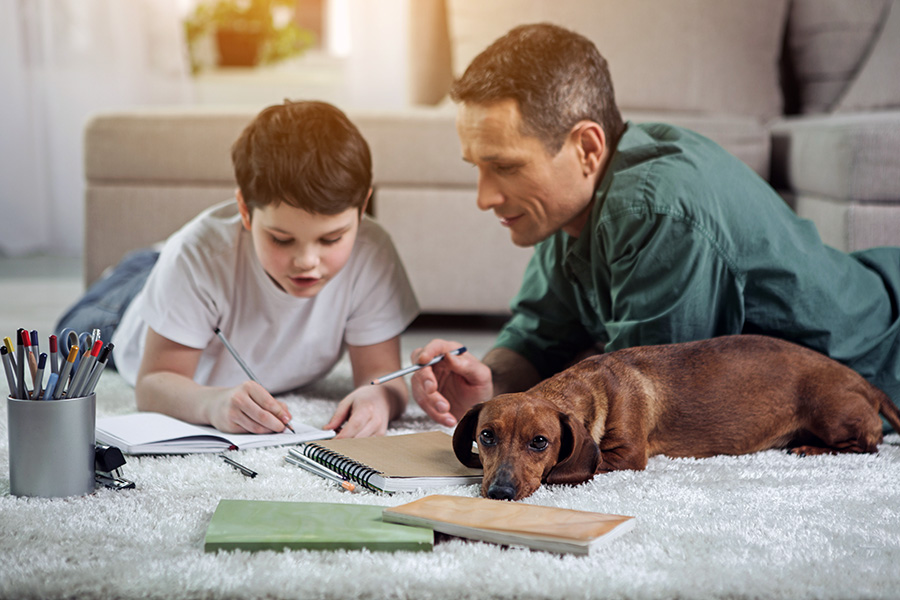
Some live comfortably with children, but no breed is automatically safe with a baby. An adult should actively supervise interactions and separate the dog when attention is elsewhere. Give the dog a child-free place to rest, and teach children not to grab, climb on, corner, or disturb a dog that is eating or sleeping. See CDC: safe interactions with dogs and bite prevention.
Small size does not make rough handling harmless. Adults should manage lifting and support the dog’s body. If a dog freezes, retreats, growls, or snaps, create space rather than making the child continue the interaction. A professional assessment is appropriate when safety is uncertain.
Will a dachshund bond with only one person?
A dog may prefer one person, but that does not prevent relationships with other household members. Share pleasant routines such as meals, short training sessions, and walks. Close attachment alone does not establish separation anxiety, and withholding comfort is not a reliable prevention strategy.
Practice comfortable alone time gradually. Distress, escape attempts, or prolonged vocalizing during absences should be discussed with a veterinarian. A second dog is not a guaranteed cure.
Are dachshunds aggressive?
Any dog can bite. Fear, pain, handling, resource guarding, and the immediate situation matter more than a reassuring breed stereotype. Avoid promises that a dachshund “will not bite unless provoked.” Use reward-based training and seek help early for growling or snapping. Being a “pack leader” is not a treatment plan.
Is your household a good match?
- Can someone provide toilet breaks and companionship during the day?
- Are all adults willing to use consistent, reward-based training?
- Can children respect resting and feeding spaces?
- Can you budget for routine care and unexpected illness?
- Can you manage barking without punishment and provide safe separation from smaller pets?
If several answers are no, an older dog with well-documented habits, a different individual, or waiting may be a better choice. If the answers are yes, focus on meeting suitable dogs rather than finding a supposedly perfect breed.
Related guides
- Can Dachshunds Make Good Family Pets?
- Are Dachshunds A Smart Breed?
- How To Potty Train Your Dachshund Puppy Fast