
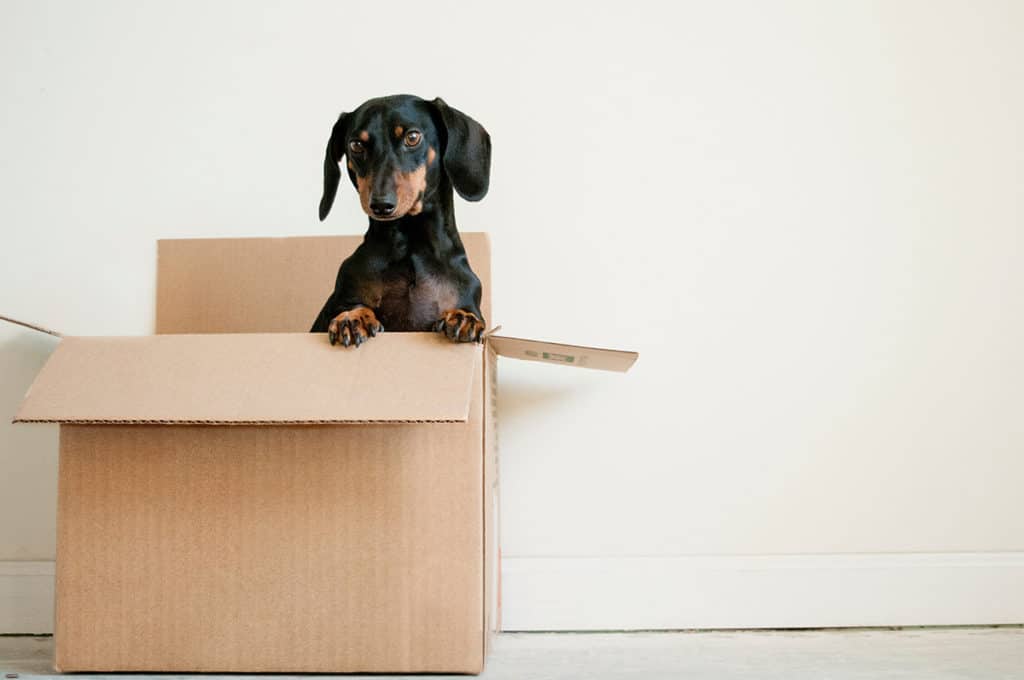
Floppy says: Playtime sounds promising, especially when everyone can take a breather. My owner will explain how to keep games enjoyable.
The owner’s explanation
Dachshunds can be enthusiastic playmates for people and compatible dogs, but “best playmate” is a matter of fit. Choose activities that suit the individual dog and supervise interactions with children or other pets. Being small and playful does not mean a dog enjoys rough handling or unlimited excitement.
What kind of play works well?

Try short food searches, gentle toy games on nonslip flooring, or a relaxed sniffing walk. Let your dog show preferences: eagerly returning with a toy is different from moving away when you offer it. Alternate activity with opportunities to rest.
Keep toys large enough that they cannot be swallowed and inspect them for loose pieces. Supervise unfamiliar toys and put them away if the dog begins tearing off and swallowing material. A toy’s label is not a guarantee that it suits every chewing style.

Playing with children
Adults should set up the game and remain actively involved. If the dog is comfortable around food and children, a child can help an adult set up a simple food search or reward a familiar cue. Keep children out of food or toy games if the dog has shown guarding or snapping, and arrange qualified help. Avoid chasing the dog, pulling on its body, picking it up, or taking food and toys away. See CDC: safe interactions with dogs and bite prevention.
Stop if the dog turns away, hides, stiffens, growls, or repeatedly tries to leave. Give the dog a resting area that children do not enter. A dog that has lived with children before still needs supervision in a new home.
Playing with other dogs
Look for relaxed movement, pauses, and both dogs choosing to return. Constant pinning, hiding, frantic escape attempts, or one dog repeatedly pursuing another are reasons to interrupt calmly and separate them. Similar size can help with some practical concerns, but it does not establish compatibility.
Introduce new dogs thoughtfully rather than placing them together and expecting them to “work it out.” Feed separately and manage valued toys while learning how each dog behaves.
Barking and housetraining still need attention
An entertaining companion can also be noisy or need a careful toilet routine. If play repeatedly ends in accidents, schedule a break before the next session. If excitement leads to barking, shorten the game and reward a calmer transition rather than shouting over the dog.
Reward-based training helps teach useful play skills such as responding to a name, dropping a toy in exchange for another reward, and settling afterward. These skills take practice in different settings.
Build a realistic routine
- Offer a mix of sniffing, training, appropriate physical activity, and rest.
- Keep outdoor play securely enclosed or use suitable leash management.
- Prevent access to wildlife and small household pets.
- Choose low-impact setups and ask your vet about restrictions for an injured dog.
- End while the dog is still comfortable rather than waiting for exhaustion.
Dachshunds can bring plenty of fun to family life. The best match is a household that enjoys their energy while respecting their limits, not one expecting a dog to entertain children without adult involvement.
Related guides
- Can Dachshunds Make Good Family Pets?
- Why Do Dogs Have Favorite Toys?
- Are Squeaky Toys Bad For Dogs?