
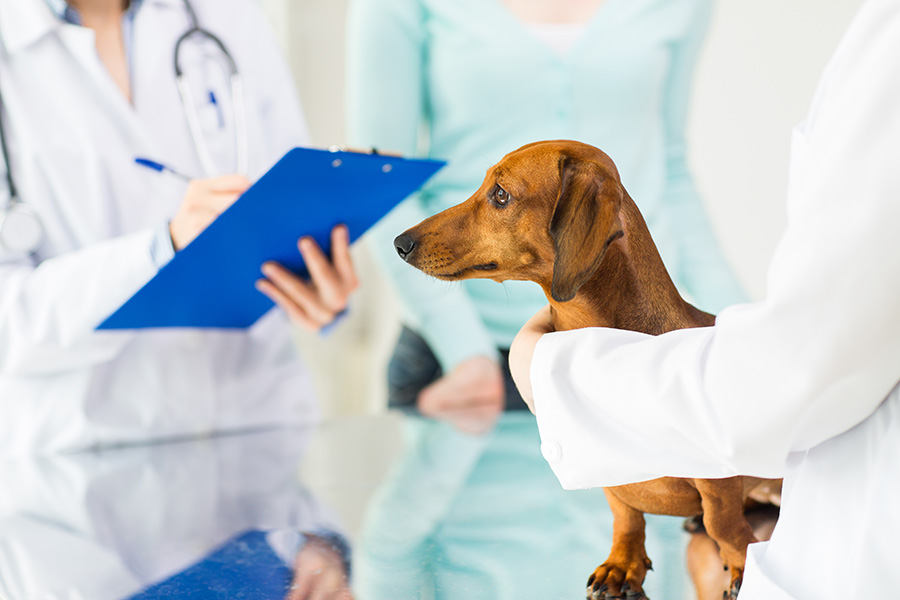
Floppy says: Woof! A chilly belly is a good reason to head somewhere warm and dry.
From Floppy’s owner
Some dachshunds get uncomfortable in cold weather quickly, especially when they are small, wet, short-coated, very young, older, or unwell. Individual tolerance varies. Feeling cold is different from “catching a cold”: respiratory infections are not simply caused by going outside in chilly weather.
Use your dog’s behavior, the conditions, and veterinary advice rather than a single temperature cutoff. Wind, rain, snow, duration outdoors, and access to shelter all change the situation.

What cold discomfort can look like
A dog may shiver, lift the paws, slow down, turn toward home, or seek shelter. These observations can help you decide to end the outing, but they are not specific to cold. Shivering indoors or after warming up can have another cause and deserves a veterinary call.
Marked weakness, confusion, unusual drowsiness, breathing problems, or collapse after cold exposure needs urgent veterinary attention. Move the dog to a warm, dry place and contact a clinic. Avoid direct high heat or rubbing a suspected cold injury.
A coat can help, but it has limits
Choose clothing that fits the long back and chest without restricting the shoulders or interfering with urination. Check the manufacturer’s measurements instead of buying by breed name alone. A wet garment should be removed or replaced, and a dog should not be left unattended in clothing that can snag or be chewed.
Not every dog tolerates a sweater. Introduce it briefly indoors and reward calm participation. Stop if the dog freezes, struggles, overheats, or seems uncomfortable. Clothing is not a reason to extend an outing beyond the dog’s comfort.
Keep bathroom trips manageable
Clear a safe path, choose a sheltered toileting spot, and keep necessary outings brief when conditions are harsh. Dry the belly and paws afterward. Check for ice, irritation, or residue, and follow veterinary advice about protection from local deicing products.
Do not punish reluctance to go out. An accessible spot, predictable routine, and immediate reward after toileting are more useful than dragging the dog into unpleasant weather.

Replace missed outdoor activity thoughtfully
On a difficult weather day, use short indoor training sessions, gentle play, or easy scent games appropriate to your dog’s health. Avoid turning reduced walking into repeated jumping off furniture. Dogs with mobility or medical problems may need a more individualized seasonal plan.
Cold, cough, or something else?
Coughing, nasal discharge, appetite changes, or persistent lethargy should be discussed with a veterinarian, especially after contact with other dogs. Do not give human cold medicine. Keep a coughing dog away from shared dog activities until you receive advice.
The aim is simple: provide a dry, comfortable indoor home, respond to early signs of discomfort, and adjust outings to the individual dog.
Related reading and original listings
- Are Dachshunds Lazy? Rest, Exercise, and Changes in Energy
- Do Dachshunds Shed a Lot? Coat Care and What Is Normal