
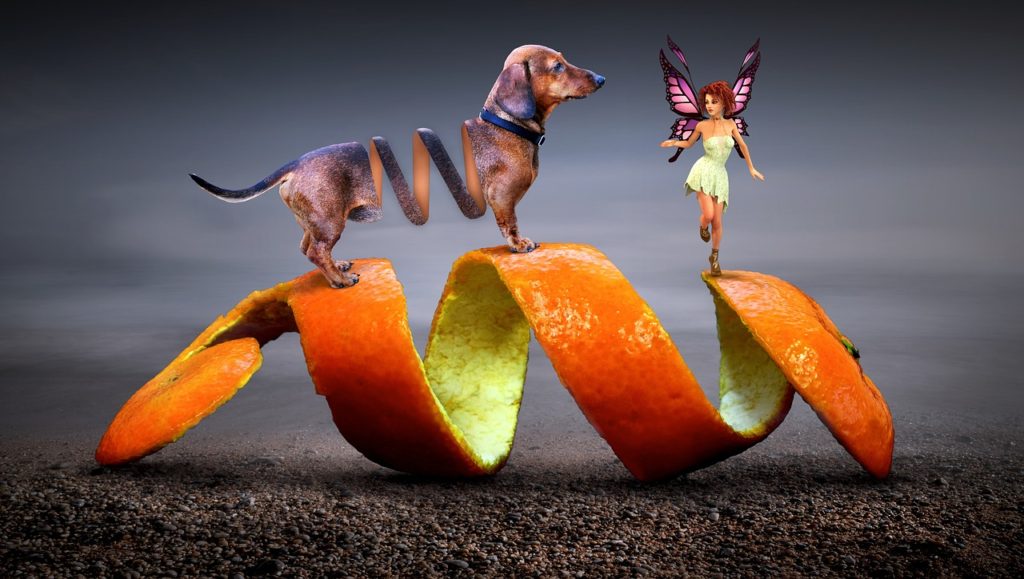
Floppy says: A little sniffing adventure can make an ordinary day interesting. My owner has ideas that do not require chasing the wildlife.
The owner’s explanation
The most useful activities for a dachshund combine opportunities to sniff, move, learn, and spend time with you. Start with simple games your dog can enjoy safely, then adjust for age, fitness, and health. You do not need wildlife encounters or exhausting exercise to make a day interesting.
Turn a walk into a sniffing outing

Choose a manageable route and let your dog investigate appropriate areas rather than focusing only on distance. Use a secure harness or collar and leash that fit the dog, and avoid places where access to wildlife or traffic is difficult to control. Bring water and change the plan when conditions are too hot, cold, or slippery.
A puppy, senior, or dog with a medical condition may need a different routine from a healthy adult. Ask your veterinarian about activity limitations instead of treating a breed-wide exercise target as a prescription. See PDSA: exercising your dog.
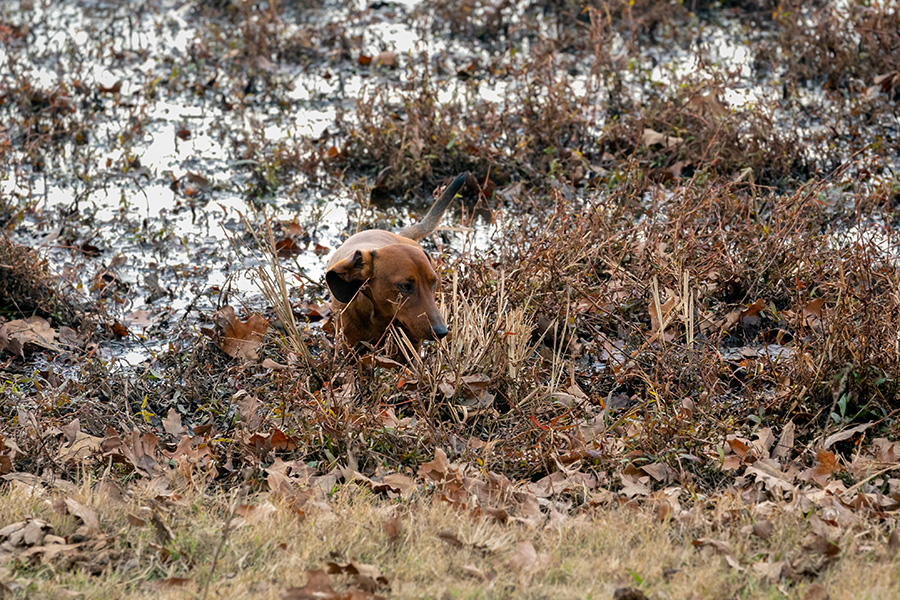
Try a beginner food search
Place a few pieces of your dog’s regular food in plain view on a clean, nonslip surface. Invite the dog to find them. Once the idea is familiar, hide pieces in easy locations while the dog waits behind a gate or with another adult.
Avoid inaccessible gaps, furniture that encourages climbing, and materials the dog might swallow. Count food used in games as part of the day’s intake. A search should be enjoyable, not so difficult that the dog becomes frustrated.
Give digging an appropriate outlet
If your dog enjoys digging, consider a supervised digging area with safe, clean material. Encourage use of that area and protect garden beds with barriers. Check fence lines regularly: a dog that digs may also find a route out of the yard.
Do not allow digging around cables, pesticides, sharp debris, or wildlife burrows. An approved activity still requires supervision.
Make training part of play
Practice one useful skill at a time: coming when called indoors, exchanging a toy, or settling on a mat. Reward success promptly and stop while your dog is still engaged. Skills learned in the kitchen need gradual practice in more distracting settings.
Do not deliberately provoke barking or chasing and then punish the dog for participating. Plan the environment so the behavior you want is easy to choose.
Prepare for travel rather than assuming your dog enjoys it
For car trips, choose an appropriate restraint or carrier and introduce it gradually. Pack water, food, cleanup supplies, identification, and any prescribed medication. Plan breaks and never leave a dog in a parked car when temperatures could become unsafe.
Airline rules depend on the carrier, route, aircraft, and current policy. Confirm the dog’s eligibility, carrier requirements, fees, and documentation directly before booking. Do not assume a dachshund can always fly in the cabin or sit on your lap.
Choose the activity by the dog’s response
A dog that willingly participates and settles comfortably afterward gives you useful feedback. Reluctance, repeated stopping, limping, or difficulty moving means stop and assess the problem. The aim is a routine you both enjoy, not a list of accomplishments.
Related guides
- Choosing The Right Harness For Your Dachshund
- Jackets And Outdoor Gears For Dachshund
- Why Do Dogs Have Favorite Toys?