
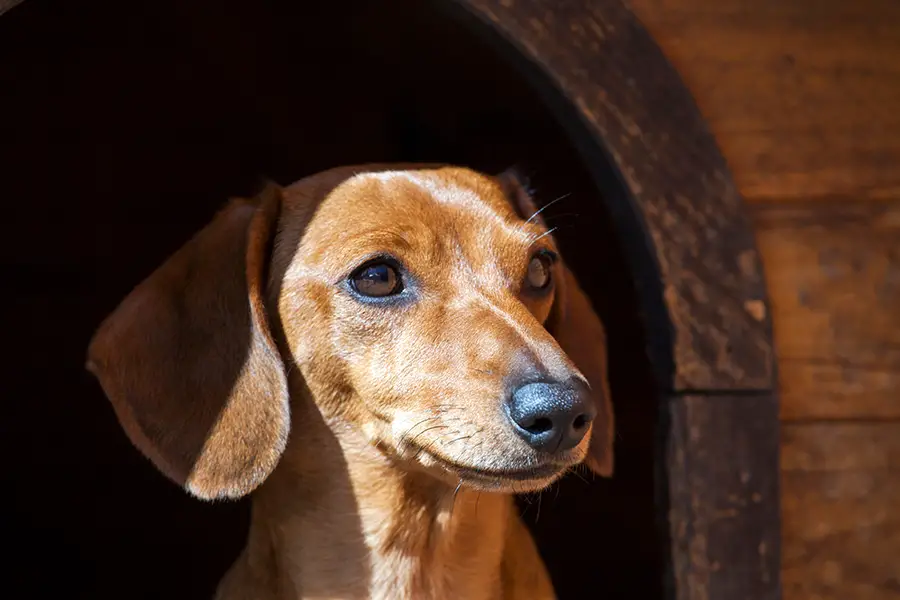
Floppy says: A missed outing means it is time to check the rest of the day’s plan. My owner will explain how to keep essential needs covered.
The owner’s explanation
Missing one walk is different from a long-term routine that leaves a dog without enough movement, toileting opportunities, or enrichment. The consequences depend on what the dog does instead and why walks are missing. A dog on prescribed rest should not be walked against veterinary advice.

Identify the unmet need
Walks often meet several needs at once, but those needs are not identical. A yard may provide a bathroom area without much exploration. A food puzzle can offer mental activity without replacing physical movement. Look at the whole day instead of using a walk count as the only measure of care.

- Bathroom access: can the dog relieve themselves often enough for their age and health?
- Movement: is the dog getting activity that fits their physical condition?
- Enrichment: are there opportunities to sniff, explore, and learn?
- Social contact: does the routine include comfortable time with people or other suitable companions?
- Rest: is there a quiet place to recover without constant stimulation?
Changes worth noticing
A dog with an unsuitable routine may become restless or bored, but barking, chewing, house-soiling, and low energy also have other explanations. Do not assume every behavior change means the dog needs more exercise. Pain, illness, fear, and separation distress may require different help.

If time or mobility is the obstacle
Plan a shorter route you can manage consistently, ask a trusted person for help, or consider a suitable dog walker. Explain equipment, triggers, and any health restrictions. Indoor training and scent games can add variety, but keep them appropriate for the dog and do not use stairs or jumping as a default exercise substitute.
If your dog refuses walks
Check the surface, weather, equipment, and surroundings. A dog may be frightened by traffic, uncomfortable in a harness, or in pain. Sudden refusal or a change in gait deserves a veterinary check. Do not drag the dog or treat reluctance as a contest of wills.

If a veterinarian has prescribed rest
Ask which bathroom trips and enrichment activities are allowed. Follow the specific recovery plan even if a general article says dogs need daily walks. Once cleared, rebuild activity gradually with professional guidance. Neither walking nor skipping a walk by itself determines whether a dachshund develops back disease. See PDSA: exercising your dog.
